4th of July SVG Retro Groovy Review
When I am preparing a new batch of summer merchandise for my small shop, I spend a lot of time looking at how a design translates from a digital screen to actual thread. It is one thing to see a retro groovy aesthetic in a flat vector file; it is another entirely to imagine how those curves will behave under the needle of an embroidery machine. Today, I want to walk you through my practical evaluation of the 4th of July SVG Retro Groovy design. This isn’t just about whether it looks cute on a mockup—it is about whether it holds up as a viable asset for real-world projects, client work, and commercial sale.
First Impressions: Mood and Visual Personality
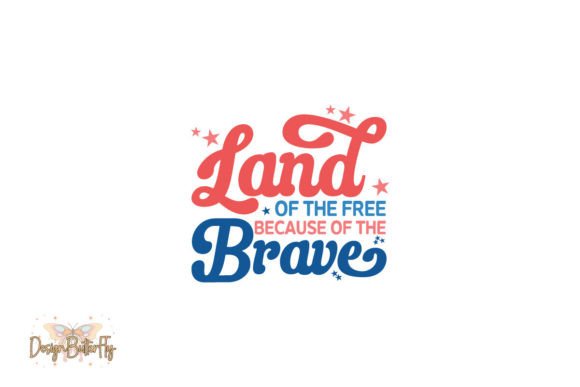
The moment I loaded the preview for 4th of July SVG Retro Groovy, the first thing that struck me was the specific era it evokes. We have all seen patriotic designs, but this one leans heavily into that mid-century modern, psychedelic-inspired typography and shape language. The mood is celebratory but with a cool, vintage edge that appeals to a demographic tired of the standard clip-art flag motifs. For an Etsy seller or craft business owner, this distinction is vital. You are not just selling a holiday item; you are selling a style statement.
The layout feels balanced, suggesting a central focal point that works well for chest placements on apparel or centered branding on home goods. The "groovy" elements imply wavy lines and perhaps some playful distortion, which immediately raises questions about stitch execution. In my experience, designs with organic, flowing shapes often perform better than rigid geometric ones because they allow the thread to follow natural contours, reducing puckering. However, the detail level here requires careful consideration. If the curves are too thin, they risk disappearing when stitched down, especially if the stitch density is not optimized.
Real-World Application: From Screen to Stitch
Let’s talk about where this design actually lives. I visualized using 4th of July SVG Retro Groovy on a few different products to test its versatility. First, the classic tote bag design. A canvas tote is a staple for craft fairs, and a retro patriotic print on a sturdy cotton canvas creates an instant bestseller vibe. Because the source file provided is a high-resolution PNG, it serves excellently as a reference for digitizing or even as a direct guide for applique work if you are combining fabric layers with thread.
I also considered this for sweatshirt embroidery. As the weather cools slightly in late summer, customers look for transitional pieces. A bold, colorful retro design on a heather grey or navy sweatshirt offers a sophisticated take on Independence Day. The contrast between the soft fabric texture and the crisp, stylized lines of the design would likely be very appealing to buyers who want something wearable beyond just July 4th itself. It bridges the gap between seasonal novelty and everyday fashion.
Another strong candidate is the embroidered patch. Many makers use these designs to create detachable patches for denim jackets or backpacks. The clear separation of elements in the Graphics category suggests that breaking this down into distinct color blocks for satin stitching could yield a very professional finish. It fits perfectly into the holiday embroidery niche without feeling childish, making it suitable for adult consumers as well.
Technical Considerations and Potential Pitfalls
While the aesthetic is strong, any experienced designer knows that beauty can sometimes hide technical challenges. When evaluating 4th of July SVG Retro Groovy for production, there are several areas where caution is required.
- Hoop Size and Detail: Always check the intended hoop size before finalizing your product line. If this design is meant to be small, such as on a baby onesie or a cap brim, the intricate groovy details might get lost. Tiny curves require precise satin stitch work. If the digitizer did not account for minimum stitch length, those delicate waves may bunch up or break during the hooping process.
- Fabric Texture and Stability: This design relies on clean lines. On highly textured fabrics like heavy burlap or loose-weave linen, the definition will suffer. For the best results, stick to stable, smooth fabrics like cotton twill, jersey, or polyester blends. Using the wrong stabilizer—such as a cut-away when a tear-away would suffice, or vice versa—can distort the groovy curves, ruining the intended symmetry.
- Thread Contrast: The success of a retro design often hinges on color vibrancy. If you are stitching this on dark fabric, ensure your thread colors have enough opacity and brightness. Muted threads on a dark background can make the "groovy" elements look muddy rather than vibrant. I recommend testing the thread colors against the fabric swatch before committing to a full run.
- Stretchy Fabrics: If you plan to put this on stretchy materials like spandex-blend t-shirts or leggings, the design must have adequate underlay stitches to prevent distortion. Without proper stabilization, the elastic nature of the fabric can pull the design out of shape, causing the retro curves to warp unpleasantly.
Strategic Advice for Makers and Sellers
If you are incorporating 4th of July SVG Retro Groovy into your commercial embroidery workflow, here is my practical advice to ensure customer satisfaction and brand consistency.
- Test on Scrap Fabric: Never go straight to the final product. Run a test stitch on the exact same fabric and stabilizer combination you plan to sell. This reveals issues with tension, thread breakage, or registration errors early.
- Check Licensing: Before listing any handmade product online, verify the usage rights. The description mentions suitability for creative projects, but always confirm if commercial use for physical goods is permitted. This protects your small shop product listings from takedown notices.
- Mockup Presentation: Use the high-resolution PNG to create realistic printable mockups. Show the design on different garments—a white tee, a black hoodie, a beige apron. This helps potential buyers visualize the finished product in their own life, increasing conversion rates.
- Consider Applique Options: Given the graphic nature of the source file, consider offering an applique version. Combining fabric shapes with running stitch borders can add a unique, high-value texture that distinguishes your items from standard embroidered goods.
Final Verdict
4th of July SVG Retro Groovy is a solid addition to any digital embroidery file library aimed at the summer season. It captures a trendy aesthetic that resonates with modern consumers looking for more than just traditional patriotism. Its strength lies in its versatility across various custom apparel categories, from tote bags to caps.
However, its success depends entirely on execution. Pay close attention to stitch density, choose your fabrics wisely, and ensure your digitization honors the fluidity of the original design. By treating this asset with the technical care it deserves, you can create personalized gifts and boutique items that feel professional, stylish, and ready for market. For the maker who values both form and function, this design offers a great foundation for a successful summer collection.