Cafeteria Crew Retro Embroidery Review
When I sit down to evaluate a new digital asset for my studio, I am rarely interested in just the visual aesthetic. While the artwork must be pleasing to the eye, my primary concern is always execution. How will this translate from a screen to fabric? Will it hold up after twenty washes? Does it offer enough value for an Etsy seller or a boutique owner to justify the time investment? This is the lens through which I reviewed Cafeteria Crew Retro, a design file marketed as a cutting and print-ready graphic that has found its way into the broader world of embroidery and apparel decoration.
First Impressions: Mood and Visual Personality
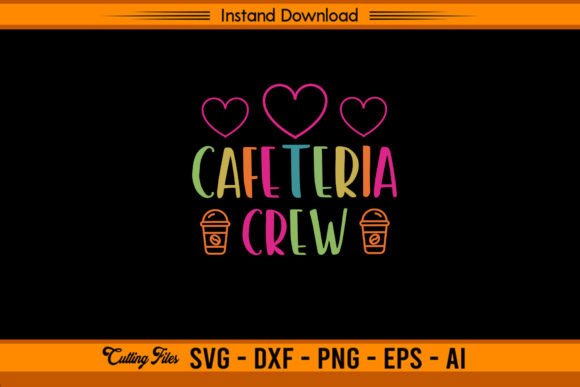
The moment you load Cafeteria Crew Retro into your digitizing software or view it in a mockup, the retro vibe is immediate. It carries a nostalgic weight, reminiscent of mid-century diner culture or vintage team uniforms. The shapes are bold, the lines are clean, and the overall composition feels structured yet playful. For a designer, this is a crucial starting point. A design that relies on subtle gradients or intricate, hairline details often fails in embroidery because the medium demands clarity and contrast.
This particular machine embroidery design leans heavily into solid forms and distinct negative space. It feels like it belongs in a casual, approachable setting. It does not scream high-fashion luxury; instead, it whispers comfort, community, and fun. This makes it an excellent candidate for custom apparel aimed at families, schools, or local businesses. The visual personality suggests a product that is meant to be worn with pride but without pretension. It fits naturally into the category of T-Shirt Designs and general Graphics that prioritize readability over artistic abstraction.
Real-World Application: From Screen to Stitch
To truly understand the utility of Cafeteria Crew Retro, I imagined it applied to several common handmade product scenarios. Let us look at a specific case: preparing a batch of custom embroidered tote bags for a local farmers market pop-up shop.
In this scenario, the buyer wants something durable, recognizable, and cheerful. Placing Cafeteria Crew Retro on a canvas tote bag offers immediate brand recognition. The retro theme aligns perfectly with the organic, community-focused ethos of a farmers market. However, the transition from SVG to stitch requires careful consideration. If this design is being used as a base for applique design techniques, the clean edges of the original graphic become vital. They provide clear boundaries for the stabilizer and the stitching path.
I also considered using this design for sweatshirt embroidery. A heavy cotton blend hoodie provides a stable surface, allowing the stitch density to sit properly without pucker. The retro aesthetic works exceptionally well here, evoking a sense of collegiate or team spirit. For an Etsy seller, this versatility is key. One digital embroidery file can generate multiple revenue streams: a simple chest logo on a hat, a large back print on a sweatshirt, or a small accent on a tote bag design.
Apparel and Accessories
Beyond bags and tops, Cafeteria Crew Retro shows promise in smaller accessories. Imagine a set of embroidered patches sold as collectibles or morale boosters for office workers. The "crew" aspect of the title lends itself to themes of teamwork, making these patches ideal for corporate gifts or club merchandise. Similarly, for baby embroidery, the soft retro colors (if available in the thread palette) and friendly shapes could work well on muslin blankets or bibs, provided the detail level is not too fine for delicate baby skin and frequent washing.
Technical Considerations and Potential Pitfalls
No design is perfect, and every embroiderer knows that the devil is in the details. When evaluating Cafeteria Crew Retro, we must address where caution is necessary. Embroidery is a subtractive process in some ways—you are building up texture, which can obscure fine details if not planned correctly.
- Hoop Size Constraints: If the design includes tiny lettering or intricate decorative accents, it may suffer when scaled down. Always check the minimum recommended hoop size. Trying to cram complex elements into a small hoop often results in tangled threads and lost definition.
- Fabric Texture and Stability: Using this design on highly textured fabrics, such as chunky knits or raw linen, can be risky. The needle penetration might distort the fabric, or the thread colors might get lost in the weave. Conversely, stretchy fabrics like jersey require a strong stabilizer to prevent distortion during the stitching process. Without proper support, even a bold design like Cafeteria Crew Retro can look wavy and unprofessional.
- Dark Fabrics and Contrast: If you plan to stitch this on dark backgrounds, the choice of thread colors becomes critical. Retro designs often rely on specific color palettes to maintain their charm. Ensure that the light threads have enough contrast against the dark fabric, or consider using a cut-away stabilizer with a contrasting background layer to maintain visual integrity.
- Dense Stitch Areas: Large areas of fill stitch can add significant weight and stiffness to a garment. On lightweight t-shirts, this might feel uncomfortable. In these cases, reviewing the underlay stitches and potentially reducing the density (if you are a skilled digitizer) can improve the drape and wearability of the finished product.
Impact on Brand and Customer Perception
For the small business owner or craft business operator, the quality of the design directly impacts customer trust. A poorly executed embroidery job can make a brand look amateurish, regardless of how good the underlying graphic is. Cafeteria Crew Retro, with its clean lines and clear structure, supports a professional presentation. When stitched correctly, it conveys confidence and attention to detail.
This design enhances brand consistency by offering a recognizable style that can be repeated across various products. Whether it appears on a kitchen towel, a pillow cover, or a holiday gift item, the consistent retro theme ties the collection together. For commercial embroidery projects, this reliability is invaluable. Customers are more likely to leave positive reviews and return for more when they receive a personalized gift or custom apparel that looks polished and durable.
Practical Designer Notes for Success
Before committing to a full production run, I strongly advise taking the following steps to ensure the best outcome with Cafeteria Crew Retro:
- Test on Scrap Fabric: Never go straight to the final product. Stitch the design on a scrap piece of the same fabric type to check for puckering, tension issues, and color accuracy.
- Check Thread Color Contrast: Use a physical thread swatch rather than relying on screen colors. What looks bright on a monitor may appear muddy in thread form.
- Review Stitch Density: Inspect the file for overly dense areas that might cause needle breakage or fabric distortion. Adjustments may be needed depending on your machine’s capabilities.
- Inspect Small Details: Zoom in on any text or small graphical elements. If they are too small, they may not stitch clearly. Consider simplifying the design or increasing the scale.
- Confirm Licensing: As a digital product seller or Etsy seller, you must verify the licensing terms. Ensure you have the right to sell finished items made from this design, especially if you are using it for commercial embroidery purposes.
- Use Proper Stabilizer: Match the stabilizer to the fabric weight. A heavy stabilizer for a thick sweatshirt, and a lighter tear-away or water-soluble stabilizer for delicate items.
Final Verdict
Cafeteria Crew Retro is a versatile, mood-driven design that bridges the gap between casual graphic art and functional embroidery. Its strength lies in its clarity and nostalgic appeal, making it suitable for a wide range of embroidery project types. From apparel decorators looking to expand their catalog to creative entrepreneurs seeking unique design assets, this file offers practical value. By paying attention to technical details like fabric choice, stabilizer use, and stitch density, designers can transform this graphic into a high-quality finished product that delights customers and stands out in a crowded marketplace.