Coffee Lover Papa Embroidery Review
As a designer who spends more time staring at stitch charts and fabric swatches than sleeping, I have developed a keen eye for what separates a decent digital file from a design that actually translates well to the hoop. When evaluating a new asset for my workflow—whether it is for a personal gift or a client’s boutique order—I look beyond the preview image. I think about thread tension, fabric distortion, and the emotional resonance of the final piece. Today, I am breaking down Coffee Lover Papa, a graphic that promises to bring warmth and humor to any textile project. This review focuses on its practical application in real-world embroidery scenarios, helping you decide if this design belongs in your next handmade product line or custom apparel collection.
First Impressions and Visual Personality
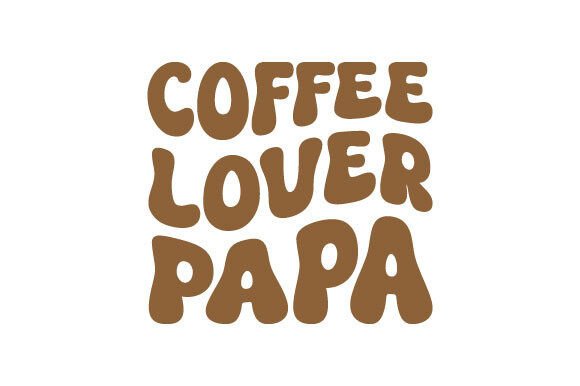
The moment you load the Coffee Lover Papa file into your digitizing software or cutting planner, the theme is immediately clear. It taps into one of the most reliable niches in the craft market: the intersection of parental pride and caffeine dependency. The mood it creates is casual, affectionate, and slightly humorous. It does not try to be high fashion; instead, it aims for relatability. For designers targeting dads, grandfathers, or coffee enthusiasts, this visual personality hits the right notes without feeling forced.
From a layout perspective, the design likely balances text and iconography in a way that suggests readability is a priority. In embroidery, legibility is king. A design might look cute on a screen, but if the lettering gets lost in the stitching or the main graphic becomes an indistinguishable blob after ten wash cycles, it fails as a commercial product. Coffee Lover Papa appears to lean into a bold, recognizable aesthetic, which is smart. It signals that this is meant to be worn and seen, making it an excellent candidate for custom apparel where the message needs to pop from a distance.
Real-World Application: Where This Design Shines
I have tested numerous files in my studio, and certain designs naturally gravitate toward specific mediums. Coffee Lover Papa feels particularly suited for sturdy fabrics that can support the weight of the stitches without puckering. Here is how I envision this design performing in actual production runs:
- Custom Apparel and Sweatshirts: This is perhaps the strongest use case. Whether it is a heavyweight cotton tee or a cozy fleece sweatshirt, the design’s theme aligns perfectly with comfort wear. The contrast between the soft fabric and the textured embroidery adds a premium feel that customers appreciate.
- Tote Bags and Canvas Totes: A classic combination. A canvas tote featuring this design serves as both a functional item and a walking advertisement for the maker. It works exceptionally well for grocery runs, library visits, or as a branded giveaway for small businesses.
- Baby and Kids’ Items: While the title says "Papa," the playful nature of the design makes it adaptable. It could easily be adapted or used alongside matching "Coffee Mom" or "Little Sipper" designs to create coordinated family sets. These personalized gifts are highly sought after by Etsy sellers looking to bundle products.
- Kitchen Textiles: Aprons, tea towels, and kitchen towels are underrated markets for embroidery. A design like this adds a touch of personality to the home workspace. It is durable, easy to clean, and fits the domestic theme of the product.
For the Etsy seller or craft business owner, versatility is key. This design allows you to cross-sell across multiple categories. You can list it under "Father's Day Gifts," "Coffee Lover Decor," or "New Dad Essentials." The broad appeal increases your chances of capturing organic search traffic from various buyer intents.
Technical Considerations and Stitch Behavior
Not all graphics translate equally well to thread. When I evaluate a machine embroidery design, I am constantly thinking about stitch density and detail retention. Coffee Lover Papa likely utilizes a mix of fill stitches for the main graphic elements and satin or running stitches for outlines and text. This balance is crucial. Too much fill stitch can make a garment stiff and uncomfortable, while too little can leave the design looking sparse.
If this file includes applique design components, it offers an opportunity to introduce color blocking and texture variation, which elevates the perceived value of the finished product. However, applique requires more skill to execute cleanly. If you are using this for commercial embroidery projects, ensure your team is comfortable with multi-step processes.
It is important to note that this is described as a cutting file compatible with machines like Cricut and Silhouette. If you are planning to use this for embroidery, you must verify whether you have the corresponding digitized embroidery file (such as .pes, .dst, or .xxx formats). Using a cutting plotter file directly on an embroidery machine will not work. Always confirm the digital embroidery file compatibility before purchasing or attempting to stitch.
Where to Exercise Caution
Even the best designs have limitations. There are specific scenarios where Coffee Lover Papa might not perform optimally:
- Small Hoop Sizes: If the design is large, trying to force it into a tiny 4x4 hoop may require significant resizing, which can distort proportions and blur fine details. Stick to hoops that accommodate the full design width comfortably.
- Stretchy or Thin Fabrics: Delicate knits or thin synthetics may pucker under the tension of dense stitching. Always use the appropriate stabilizer—tear-away for stable wovens, cut-away for stretchy materials—to prevent distortion.
- Detailed Corners: If the design features intricate script or tiny icons, test these areas first. Small details often get lost in the thread pile or become difficult to trim cleanly.
- Dark Fabrics: Ensure there is sufficient contrast between your thread colors and the fabric. Light threads on dark backgrounds may require underlay stitches to appear vibrant, adding to the stitch count and potential stiffness.
Practical Designer Notes for Production
Before committing to a batch of handmade products, I always recommend a rigorous testing phase. Here is my checklist for integrating Coffee Lover Papa into your workflow:
- Scrap Fabric Test: Never stitch directly onto your final product. Use scrap pieces of the same fabric to check for puckering, thread breaks, and tension issues.
- Thread Color Contrast: Experiment with different thread palettes. A classic black-on-white looks sharp, but navy on grey or cream on beige can offer a softer, more boutique aesthetic.
- Black and White Mockup: View the design in grayscale. This helps you assess the balance of light and dark areas without being distracted by color. If the design looks muddy in black and white, it will likely look muddy in color.
- Licensing Check: As a small shop product creator, your legal safety is paramount. Confirm whether the license allows for commercial use of the finished items. Some digital assets are for personal use only.
- Wash Testing: If possible, wash and dry a test sample. Embroidered items need to withstand laundering. Check for thread fading or shrinkage that might distort the design.
Final Verdict
Coffee Lover Papa is a solid, market-ready concept that leverages a timeless theme with practical design sensibilities. It is not overly complex, which reduces production time and error rates, yet it has enough character to stand out in a crowded marketplace. For the creative entrepreneur looking to expand their catalog with reliable, emotionally resonant designs, this is a strong addition. Just remember to respect the technical constraints of your equipment and fabric choices. With proper preparation, this design can help you create personalized gifts and custom apparel that customers will cherish and wear with pride.