Hunny Bunny Retro Wavy SVG Review
As a designer who spends more time in digitizing software than on social media, I approach every new design asset with a mix of curiosity and skepticism. The market is saturated with "cute" graphics, but few possess the specific visual weight required to translate well into physical embroidery. Recently, I pulled Hunny Bunny Retro Wavy SVG from my library to test its viability for real-world application. This isn't just about whether the file opens correctly; it is about whether the design holds up under the tension of thread, the texture of fabric, and the expectations of a paying customer.
The category here is clearly Crafts, falling squarely under Graphics, but that classification barely scratches the surface of what this file offers. It is an instant download cutting file compatible with many different cutting software machines like Cricut and Silhouette. You will receive a ZIP folder, which includes – various formats that suggest versatility. However, my primary concern as an embroidery reviewer is how these vector lines convert when they become stitch paths. Does the retro wavy aesthetic maintain its charm when rendered in satin or fill stitches? Let’s break down the practical realities of using this design.
First Impressions: Mood and Visual Personality
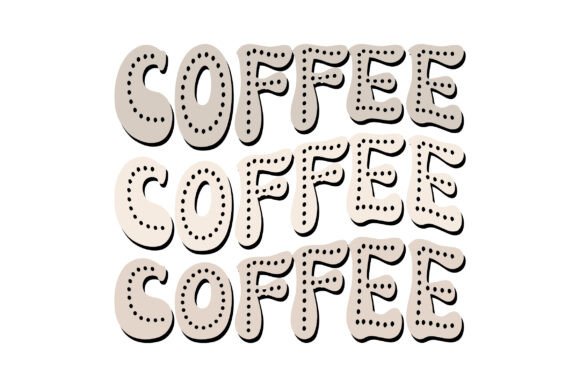
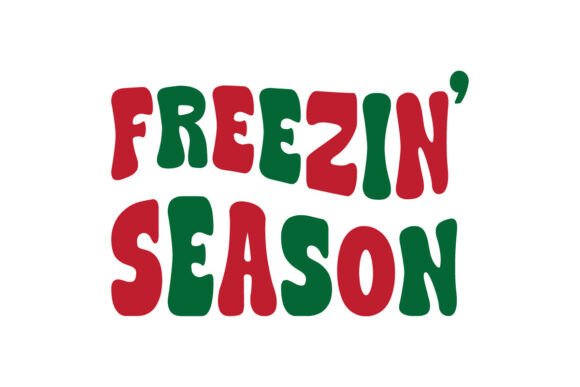
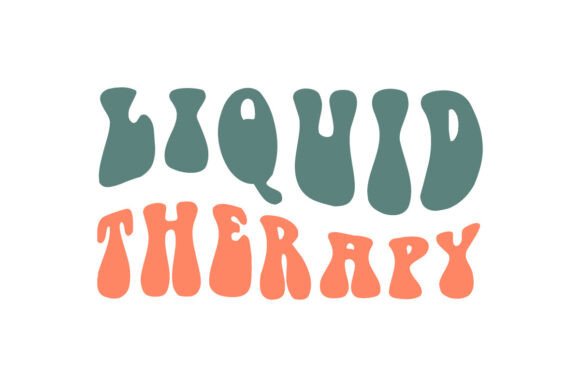
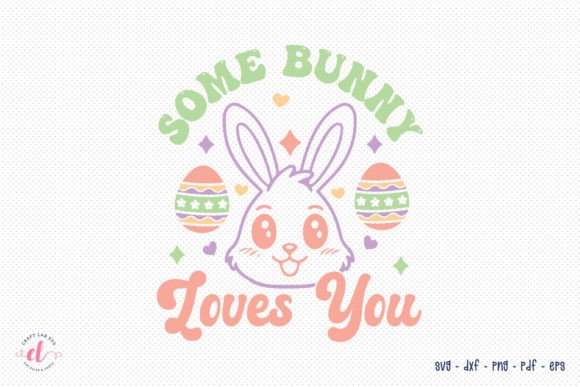
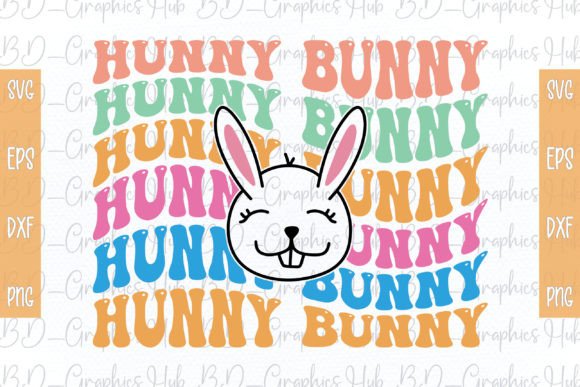
When you first load Hunny Bunny Retro Wavy SVG into your workspace, the immediate takeaway is the mood. It screams mid-century modern nostalgia mixed with contemporary cottage-core aesthetics. The wavy typography and the stylized bunny figure create a playful yet sophisticated balance. For designers looking to create handmade products that feel curated rather than mass-produced, this visual personality is a strong asset.
The layout is clean, which is critical for embroidery. Unlike overly complex illustrations that turn into muddy blobs when stitched at small sizes, this design relies on bold shapes and clear negative space. The retro vibe suggests a target audience that appreciates vintage-inspired goods, making it ideal for boutique branding or personalized gifts that need to stand out on a craft fair table.
Real-World Application: Where This Design Shines
I tested the conceptual application of this design across several common embroidery project types to see where it fits best. The versatility of the source file allows for multiple interpretations, but some uses are naturally stronger than others.
- Custom Apparel: On a heavyweight cotton sweatshirt, the retro wavy text pops beautifully. The contrast between the soft fabric and the structured embroidery adds a tactile dimension that customers love. It works exceptionally well as chest-level placement on crewneck sweatshirts or centered on the back of oversized tees.
- Tote Bag Design: Canvas totes are a staple for the Etsy seller community. This design translates well because the wavy lines guide the eye across the bag without overwhelming the canvas texture. It feels like a functional art piece rather than just a logo.
- Baby Embroidery: The bunny motif is inherently soft and appealing for nursery decor or baby clothes. When used on muslin burp cloths or tiny onesies, the retro style adds a unique twist to traditional baby themes. It moves away from the cliché pastel clouds and enters a more stylish, modern parenting aesthetic.
- Embroidered Patch: If you are creating detachable patches for denim jackets or backpacks, the bold outlines of Hunny Bunny Retro Wavy SVG provide excellent definition. The wavy border can serve as a natural frame, keeping the design contained and professional.
Technical Considerations and Potential Pitfalls
No design is perfect for every scenario. As an experienced reviewer, I must highlight where caution is needed. While the source file is robust, the translation to machine embroidery design requires careful planning.
Fabric Texture and Stability: The wavy elements often require smooth, consistent stitching to look their best. On highly textured fabrics like heavy boucle wool or raw denim, the fine details of the waves might get lost. In these cases, using a proper stabilizer is non-negotiable. A tear-away stabilizer might not be enough for stretchy knits; a cut-away may be necessary to prevent distortion over time.
Small Hoop Sizes: If you plan to digitize this for very small hoops (under 4x4 inches), you need to inspect the small details closely. The curves in the "Retro Wavy" text can sometimes merge if the stitch density is too high or the scale is too small. Always test the design in black and white mockups first to ensure legibility before committing to expensive threads.
Thread Colors and Contrast: The success of this design hinges heavily on color choice. Because it is a retro design, neon colors might clash with the vintage vibe. Muted earth tones, mustard yellows, sage greens, or dusty pinks tend to enhance the aesthetic. Conversely, using low-contrast thread colors against dark fabric can make the wavy lines disappear entirely. Check your thread colors against your fabric texture to ensure the design remains visible and striking.
Impact on Product Value and Brand Consistency
For the craft business owner, the difference between a generic clip-art look and a cohesive brand identity is everything. Hunny Bunny Retro Wavy SVG offers a level of specificity that helps build trust. When a buyer sees a finished product that looks intentionally designed—where the curves match the font weight and the theme is consistent—it elevates the perceived value of the item.
This design supports commercial embroidery projects by offering a fresh take on popular motifs. It avoids being too childish while remaining accessible. For small shop product lines, such as holiday gift sets or wedding favors, the retro theme allows for seasonal adaptability. Imagine this design in autumnal tones for fall markets or pastels for spring events. Its flexibility makes it a valuable design asset for long-term use.
Practical Designer Notes for Implementation
Before you rush to produce a batch of custom apparel, follow these practical steps to ensure a professional result:
- Test on Scrap Fabric: Never run a full production run without a test stitch-out. Observe how the satin stitch handles the curves of the wavy text. Look for puckering or thread breaks.
- Review Stitch Density: Ensure the digitization (if you are converting the SVG yourself) does not over-stitch the dense areas. Too much density can make the fabric stiff and uncomfortable, especially for baby embroidery.
- Confirm Licensing: Since this is sold as a digital file, check the specific license terms. Are you allowed to sell the finished product? Can you use it for commercial embroidery? Clarifying this protects your craft business from legal issues.
- Inspect Small Details: Zoom in on the corners and intersections of the wavy lines. These are common failure points in embroidery where thread might bunch up. Adjusting the pull compensation during digitization can fix these issues.
- Compare Light and Dark Backgrounds: Create printable mockups on both light and dark backgrounds. This helps you visualize how the design will perform in different lighting conditions and on various garment colors.
Final Verdict
Hunny Bunny Retro Wavy SVG is a strong contender for designers seeking a blend of nostalgia and modern appeal. It performs well in personalized gifts, tote bag designs, and sweatshirt embroidery. Its clean lines and distinct mood make it suitable for digital product sellers looking to offer versatile assets. However, success depends on your attention to detail regarding fabric choice, stabilizer use, and thread selection.
If you are an Etsy seller or creative entrepreneur aiming to elevate your handmade product offerings, this design provides a solid foundation. It is not just a cute bunny; it is a versatile graphic tool that, when executed with care, can significantly boost the professionalism and attractiveness of your embroidery project portfolio. Just remember to test thoroughly and respect the nuances of the medium. Happy stitching.