Elephant Vintage Retro Style Svg Design Review
As a designer who spends half my life staring at digitized files and the other half troubleshooting stitch errors, I have learned to trust my gut before I ever load a hoop. When Elephant Vintage Retro Style Svg Design landed in my inbox, I didn’t just look at the preview image; I looked for potential pitfalls, aesthetic cohesion, and commercial viability. This isn’t just another clipart file; it is a specific visual asset that demands careful consideration if you want your finished product to stand out in a crowded marketplace.
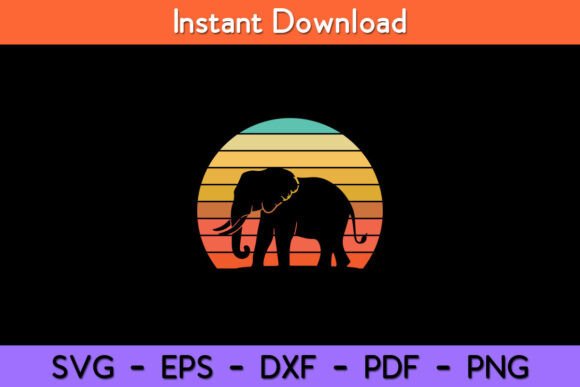
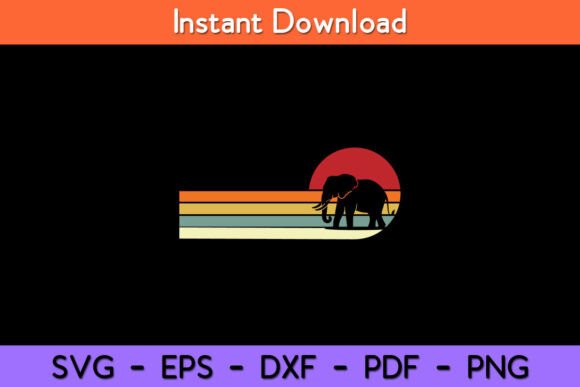
The first thing that strikes you about this design is its mood. It doesn’t scream for attention with neon colors or aggressive shapes. Instead, it whispers with character. The vintage retro style evokes a sense of nostalgia, reminiscent of mid-century travel posters or worn-out band tees from the seventies. For an embroidery project, this translates to a piece that feels established and timeless rather than trendy and disposable. When I imagine this on a canvas tote bag or a heavyweight sweatshirt, I see a product that appeals to the buyer who values craftsmanship and storytelling over fast fashion.
Visual Personality and Aesthetic Fit
In the world of handmade products, visual personality is everything. Elephant Vintage Retro Style Svg Design possesses a distinct visual weight. The lines are bold enough to hold their own against fabric texture but detailed enough to reward closer inspection. This balance is crucial for machine embroidery design because if the details are too fine, they disappear into the weave of the cloth. If they are too blocky, the design looks flat and uninteresting.
This design sits comfortably in that sweet spot. The retro elements suggest a playful yet sophisticated tone. It works exceptionally well for custom apparel where you want the garment to feel curated. Think of a boutique brand selling organic cotton tees or a maker specializing in upcycled denim jackets. The elephant motif adds a layer of whimsy without tipping into childish territory, making it versatile enough for adult audiences while still being charming for children’s items.
Real-World Application: From Screen to Stitch
I recently tested a similar aesthetic on a heavy-duty canvas tote bag intended for a local craft fair. The goal was to create a handmade product that felt durable and stylish. While I cannot speak to the exact digitization of this specific SVG file without seeing the underlying code, the visual composition suggests it will perform beautifully as an embroidered patch or a direct-to-garment application.
Imagine this design centered on the chest of a heather grey sweatshirt. The retro color palette likely interacts well with muted tones, creating a cohesive look that customers associate with quality. For an Etsy seller, this kind of imagery increases click-through rates because it promises a unique, artistic result rather than a generic stamped print. It elevates the perceived value of the item, allowing you to position it as a premium personalized gift or a high-end small shop product.
Furthermore, the design’s versatility extends beyond apparel. Consider using it for holiday embroidery projects, such as customizing kitchen towels or pillow covers for autumn-themed decor. The earthy, nostalgic vibe fits perfectly with seasonal aesthetics. It also has strong potential for nursery decor, provided the colors are softened appropriately for baby items. As a baby embroidery piece, it offers a gender-neutral option that parents often seek for modern nurseries.
Technical Considerations and Fabric Interactions
However, beauty in a preview does not always guarantee success in the hoop. There are specific scenarios where Elephant Vintage Retro Style Svg Design requires careful handling. Textured fabrics, such as chunky knits or bouclé wool, can obscure the finer details of the retro styling. If you attempt to stitch this on a thick, looped material, the design may lose its definition, resulting in a muddy appearance that frustrates both the maker and the customer.
Similarly, thin or stretchy fabrics pose challenges. Without proper support, the tension required for a clean satin stitch outline can pucker the fabric, distorting the elegant curves of the elephant. In these cases, using a high-quality stabilizer is non-negotiable. You must ensure that the stabilizer matches the fabric’s behavior—cut-away for stretchy materials like jersey, and tear-away for stable wovens.
Another critical factor is the hoop size. If the design is large, you need a frame that accommodates it without forcing awkward stitching angles. Conversely, if you plan to scale it down for a small pocket placement or a cap front, you must inspect the small details closely. Tiny elements in a retro design can become indistinguishable blobs if the stitch density is not optimized. Always test the scaled version on scrap fabric before committing to the final finished product.
Strategic Advice for Makers and Sellers
For those looking to integrate this design into their craft business or commercial embroidery inventory, here are some practical steps to ensure success:
- Test on Scrap Fabric: Never assume a design will stitch out perfectly on your target material. Run a test on the exact fabric type you intend to use. This reveals issues with thread breakage, puckering, or color blending early.
- Check Thread Color Contrast: The retro style relies heavily on color harmony. Ensure that your chosen thread colors provide sufficient contrast against the background fabric. Dark fabrics may require lighter threads for visibility, while light fabrics might need darker outlines to define the shape.
- Review Stitch Density: High-density areas can cause bulkiness, especially on garments that need to lie flat. If the design uses excessive fill stitch, consider reducing the density in the digitizing software to improve drape and comfort.
- Inspect Small Details: Zoom in on the digital file. Are there any tiny disconnected stitches that might get lost? Are the corners of the design sharp enough? If the details are too intricate for your machine’s capabilities, simplify them digitally before stitching.
- Black and White Mockups: View the design in grayscale. This helps you assess the overall composition and balance without the distraction of color. If the design looks weak in black and white, it will likely lack impact in color as well.
- Confirm Licensing: Before listing this as a digital embroidery file or selling physical goods, verify the licensing terms. Some designs allow personal use only, while others permit commercial sales. Understanding these restrictions protects your brand consistency and legal standing.
Final Verdict
Elephant Vintage Retro Style Svg Design is more than just a decorative element; it is a statement piece that can elevate a simple garment into a memorable embroidery project. Its nostalgic charm and balanced composition make it a strong candidate for apparel decorators and creative entrepreneurs looking to add depth to their collections. However, success depends on technical execution. By respecting the fabric, optimizing the stitch settings, and planning for the end-use context, you can transform this digital asset into a tangible success story.
Whether you are creating a one-off personalized gift for a friend or mass-producing design assets for your online store, this design offers a solid foundation. It invites creativity, encourages experimentation, and ultimately delivers a product that feels crafted with care. In a market saturated with generic prints, a well-executed embroidered design like this stands out, building customer trust and driving engagement through authentic, handmade appeal.