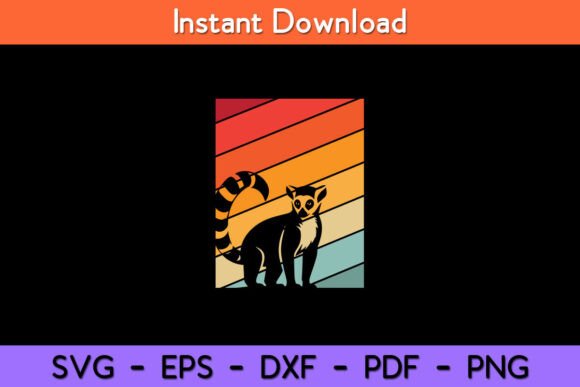
Lemur Vintage Retro Style Svg Design
When I sit down to evaluate a new digital asset for my embroidery studio, I am rarely looking at just a picture. I am visualizing the needle movement, the tension of the thread, and the final tactile experience of the wearer or user. Recently, I came across the Lemur Vintage Retro Style Svg Design, an instant download file marketed toward crafters using cutting machines like Cricut and Silhouette. While the product description highlights its utility for scrapbooking and general crafting, my interest lies in how this specific graphic translates when interpreted through the lens of machine embroidery. For those of us who create custom apparel, boutique merchandise, or personalized gifts, understanding the bridge between a flat vector SVG and a stitched textile is crucial. This review explores whether this design has the structural integrity and aesthetic charm to survive the transition from screen to fabric.
The First Impression: Mood and Visual Personality
The immediate appeal of the Lemur Vintage Retro Style Svg Design is its nostalgic warmth. In a market saturated with modern, minimalist, or hyper-realistic animal motifs, this design offers a distinct character. The "vintage retro" styling suggests a specific color palette—likely muted tones, earthy browns, creams, or faded pastels—and a line work that feels hand-drawn rather than rigidly geometric. For an embroidery designer, this is a positive indicator. Complex, overly sharp lines can sometimes look harsh under dense satin stitches, whereas softer, retro-inspired curves tend to stitch more gracefully.
The layout appears balanced, which is critical for hoop placement. Whether you are planning a left-chest application on a sweatshirt or a centered focal point on a tote bag, the composition needs to hold up without feeling cluttered. The lemur subject itself brings a sense of whimsy and approachability. It is not aggressive; it is charming. This makes it highly suitable for the "handmade gift" category. When a customer receives a personalized item featuring a cute, stylized animal, there is an immediate emotional connection. However, the success of that connection depends entirely on execution. A poorly digitized version of this design could look muddy, while a well-executed one will feel like a premium boutique product.
Real-World Application: From Digital File to Finished Product
I often test designs in scenarios that mimic actual client requests. Here is how I envision the Lemur Vintage Retro Style Svg Design performing in real-life projects:
- Custom Apparel and Sweatshirts: This design would shine on heavyweight cotton blends. The retro vibe pairs naturally with vintage-wash hoodies or oversized tees. Imagine a cream-colored lemur embroidered in soft beige and brown threads on a heather grey sweatshirt. It creates a cohesive, understated look that appeals to the Etsy seller looking for "cozy aesthetic" items. The design’s likely medium level of detail allows it to stand out without overwhelming the garment.
- Tote Bags and Canvas Goods: As a tote bag design, this file offers excellent potential. Canvas is a forgiving fabric that handles various stitch types well. If used as an applique design, where the lemur shape is cut from felt or denim and then outlined with a satin stitch, it adds significant texture and value. Even as a direct embroidery piece, the contrast between the thread and the natural canvas fiber will highlight the retro details effectively.
- Baby Embroidery and Nursery Decor: The gentle nature of the lemur motif makes it appropriate for baby clothes, burp cloths, or nursery wall hangings. Parents often seek items that are both decorative and durable. If the stitch density is managed correctly, ensuring the fabric remains soft and doesn’t pucker, this design can become a bestseller in the personalized gift niche. It fits perfectly into a woodland or safari-themed nursery collection.
- Embroidered Patches and Accessories: For craft business owners, creating iron-on patches is a lucrative side hustle. The clear outlines of a retro SVG translate well into patch borders. You could add a simple border around the lemur to define the edge, making it easy to apply to denim jackets, backpacks, or hats. This versatility expands the design assets utility beyond just clothing.
Critical Considerations for Embroidery Execution
While the visual concept is strong, the technical translation requires careful planning. Not every SVG is created equal for embroidery purposes. Here are the practical notes every designer should keep in mind before running this file through their digitizing software or cutter:
- Stitch Density and Hoop Size: Before committing to a production run, test the design on scrap fabric first. Check the stitch density closely. If the original SVG relies on thin lines, ensure your digitizing process converts these into appropriate running stitch or narrow satin stitch elements. Too much density in a small area can cause puckering, especially on lightweight fabrics. Confirm the hoop size needed to accommodate the design comfortably, leaving enough margin for stabilizer attachment.
- Fabric Texture and Stability: The choice of fabric drastically affects the outcome. On textured fabrics like bouclé or heavy tweed, fine details may get lost. Thin or stretchy fabrics require proper stabilizer support to prevent distortion. For custom apparel like t-shirts, a tear-away or cut-away stabilizer might be necessary depending on the fabric weight. Dark fabrics will require a different thread strategy than light fabrics; consider using a backing or adjusting thread colors to maintain contrast.
- Detail Inspection: Inspect small details carefully. Retro styles often include intricate patterns within the main shape. If these details are too small, they may merge together during stitching, resulting in a blobby appearance. Use black and white mockups to check contrast and legibility. If the design includes tiny lettering or decorative accents, verify that they are large enough to be stitched cleanly. Tiny elements often fail on curved surfaces like caps or rounded corners of aprons.
- Thread Color Contrast: Review thread colors against your intended background. A vintage lemur might look great in sepia tones on cream, but could disappear on a dark navy shirt unless you use a contrasting outline. Test your color combinations early to avoid wasting expensive specialty threads.
Commercial Viability and Brand Consistency
For the Etsy seller or small shop product creator, the Lemur Vintage Retro Style Svg Design offers a unique selling proposition. It stands out from generic clipart because of its specific stylistic flair. When you present a printable mockup or a photo of the finished product, the consistency of the retro theme helps build brand recognition. Customers associate the style with quality and thoughtfulness.
However, professionalism is key. Ensure that the finished product looks polished. Frayed edges, loose threads, or misaligned stitching can undermine the perceived value of even the best design. Always confirm licensing terms before selling finished items. Some digital files are for personal use only, while others allow commercial exploitation. Understanding these boundaries protects your craft business from legal issues.
Final Verdict
The Lemur Vintage Retro Style Svg Design is more than just a cute image; it is a versatile tool for creative entrepreneurs. Its retro charm lends itself well to a variety of embroidery project types, from holiday gifts to everyday wearables. By paying attention to technical details like stitch density, fabric choice, and stabilizer use, you can transform this digital file into a tangible, high-quality product that customers will love. It is a smart addition to the toolkit of any designer looking to add a touch of whimsical nostalgia to their handmade offerings. Just remember to test thoroughly, respect licensing agreements, and let the quality of your stitching speak for the design’s true value.